
Understanding cultural perceptions of gambling A global perspective
The Evolution of Gambling Across Cultures
Gambling has a rich and varied history that stretches back thousands of years, deeply rooted in the cultural fabric of societies across the globe. In ancient civilizations, such as those in Mesopotamia and China, games of chance were often tied to religious practices and social rituals. For example, the Chinese game of Keno originated as a means of raising funds for the construction of the Great Wall. This historical context highlights how gambling has evolved from a social activity to a multi-billion-dollar industry, reflecting a significant cultural shift. Furthermore, players seeking a reliable online option can find exciting offerings at cookscasino-canada.com.

In contrast, in cultures where gambling is viewed negatively, it often faces heavy restrictions and stigma. Countries like Saudi Arabia and many parts of the Middle East prohibit all forms of gambling due to religious beliefs. Here, gambling is associated with moral decay and social issues, demonstrating how cultural perspectives can dictate the legality and acceptance of gambling practices. This dichotomy raises questions about the role of cultural values in shaping public policy and individual behavior regarding gambling.
The globalization of gambling, especially through online platforms, has led to a blending of these cultural perceptions. As access to online gambling increases, different cultural attitudes collide, leading to a complex landscape where traditional views are challenged. The acceptance of gambling is becoming more widespread in places where it was once taboo, creating new discussions on responsible gaming and ethical considerations in a global context.
Gambling and Societal Norms
Societal norms play a crucial role in shaping individual attitudes towards gambling. In some cultures, gambling is celebrated as a form of entertainment, while in others, it is viewed as a vice. For instance, in places like Las Vegas and Monte Carlo, gambling is a mainstream activity that attracts millions of tourists. Casinos are often lavish destinations that embody excitement and thrill, illustrating how cultural acceptance can enhance the appeal of gambling as a leisure activity.
Conversely, in cultures where gambling is frowned upon, individuals may experience social isolation or disapproval if they engage in these activities. This stigma can prevent individuals from participating in gambling, even in private settings, and can lead to an underground culture where gambling occurs away from public view. Such societal pressures can complicate the relationship between individuals and gambling, impacting not only personal enjoyment but also mental health and well-being.
Moreover, the portrayal of gambling in media and popular culture can reinforce these societal norms. Movies, television shows, and literature often depict gambling as glamorous or dangerous, influencing public perception. By showcasing both the thrill of winning and the despair of losing, these narratives shape attitudes and can either glamorize or demonize gambling, demonstrating the profound impact of cultural storytelling on individual behavior.
Impact of Religion on Gambling Perception
Religion significantly influences how gambling is perceived and practiced worldwide. In many faiths, gambling is viewed as morally unacceptable. For instance, Christianity, Islam, and Buddhism often teach against gambling, associating it with greed and temptation. In these contexts, engaging in gambling can lead to social and spiritual repercussions, reinforcing the belief that it is an activity to be avoided. These religious doctrines create a moral framework that impacts legislation and public attitudes toward gambling.
In contrast, some cultures have integrated gambling into their religious practices, viewing it as a form of luck or divine intervention. For example, in some indigenous cultures, gambling is part of traditional ceremonies and rituals, fostering community ties. This acceptance can reflect a broader understanding of fate and chance, suggesting that not all cultural interpretations of gambling are negative. The duality of religious perspectives underscores the complexity of how spirituality intersects with social practices.
Ultimately, the varying religious views on gambling create a multifaceted global landscape. As nations increasingly engage in international dialogue, understanding these differences becomes essential. Recognizing how religion shapes individual and societal perceptions of gambling can foster respectful conversations around cultural practices, ethics, and potential reforms in gambling legislation.
Regional Differences in Gambling Attitudes
Regional differences in gambling attitudes offer a fascinating glimpse into how geography influences cultural practices. In North America, for example, gambling is widely accepted and forms a significant part of the entertainment industry. States such as Nevada and New Jersey have embraced gambling with open arms, resulting in thriving casino economies. These regions not only generate substantial revenue but also attract millions of tourists, showcasing how gambling can be a catalyst for economic growth.
Conversely, in Asia, attitudes toward gambling can vary dramatically. Countries like Singapore and Macau have developed into gambling hubs, attracting international visitors while still maintaining strict regulations to ensure responsible gaming. Meanwhile, nations like Thailand and Indonesia enforce stringent bans on gambling, reflecting cultural values that prioritize family and societal stability over individual freedom. This stark contrast highlights how regional governance and cultural history shape the gambling landscape.
Moreover, the rise of online gambling has blurred these regional distinctions, allowing individuals to engage in gaming activities regardless of their physical location. While this has democratized access, it also raises new challenges regarding regulation and cultural integrity. As online platforms cater to diverse audiences, understanding these regional differences is crucial for businesses and policymakers navigating the global gambling market.
Exploring Responsible Gambling in a Global Context
As gambling continues to expand globally, the conversation around responsible gaming becomes increasingly important. With the rise of online platforms, ensuring that players gamble responsibly is essential to protect vulnerable populations from addiction and financial ruin. Different countries have adopted various approaches to responsible gambling, reflecting their cultural attitudes and regulatory frameworks. For example, some nations prioritize education and awareness campaigns, while others focus on strict regulations to limit gambling opportunities.
Countries like Sweden and the UK have implemented comprehensive measures, including self-exclusion programs and mandatory player protection initiatives. These frameworks aim to balance the enjoyment of gambling with the necessity of preventing harm. On the other hand, countries with less regulation may struggle to address gambling-related issues effectively, leading to a call for international collaboration and knowledge sharing in promoting responsible gambling practices.
Ultimately, fostering a global culture of responsible gambling requires understanding cultural perceptions and regional differences. By engaging in meaningful dialogue and sharing best practices, countries can work together to create safer gambling environments. This collaborative effort can help mitigate the risks associated with gambling while allowing individuals to enjoy the recreational aspects of gaming responsibly.
Cooks Casino: A Trusted Gaming Destination
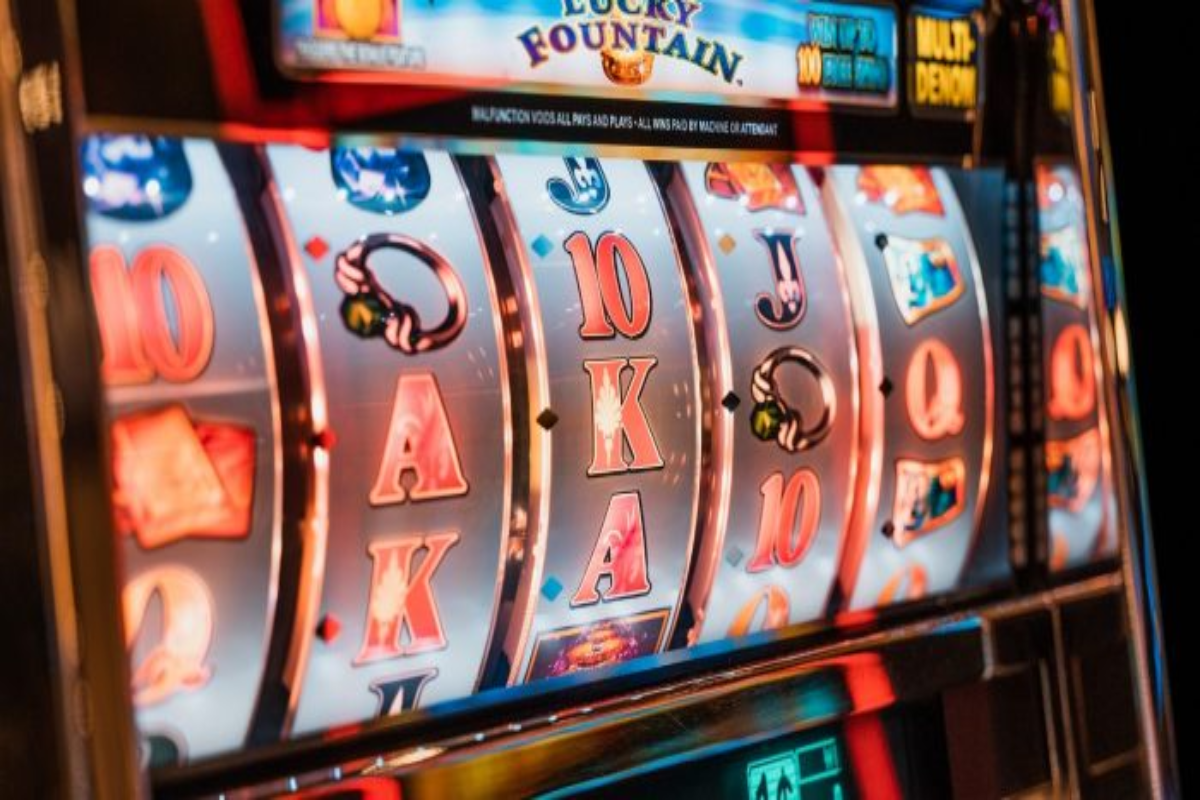
Cooks Casino stands out as a premier online gaming platform, reflecting the diversity and acceptance of gambling in the digital age. Established with a focus on providing a secure and enjoyable experience, Cooks Casino caters to Canadian players by offering a vast library of games that include slots and live dealer options. This extensive selection showcases how modern technology has transformed the gambling landscape, allowing players to enjoy their favorite games from the comfort of their homes.
Licensed by the Kahnawake Gaming Commission, Cooks Casino emphasizes player safety and security, creating a trusted environment for online gaming. New users are welcomed with enticing offers, making it accessible for anyone looking to explore the world of online gambling. Furthermore, features like fast Interac withdrawals and mobile optimization ensure that players can enjoy seamless gaming experiences anywhere, reflecting the evolving nature of gambling in contemporary society.
As global perceptions of gambling continue to shift, platforms like Cooks Casino play a vital role in promoting responsible gaming while providing entertainment. By understanding cultural contexts and adapting to player needs, Cooks Casino exemplifies a modern approach to gambling that respects both tradition and innovation. The commitment to player satisfaction and security makes it an ideal destination for anyone seeking a thrilling and responsible gaming experience.